
Last updated September 10, 2026
Full 25-point door and opener safety check with every visit - springs, cables, rollers, tracks, and your LiftMaster or Chamberlain opener included
You get a price before we start. It does not change when the truck arrives.
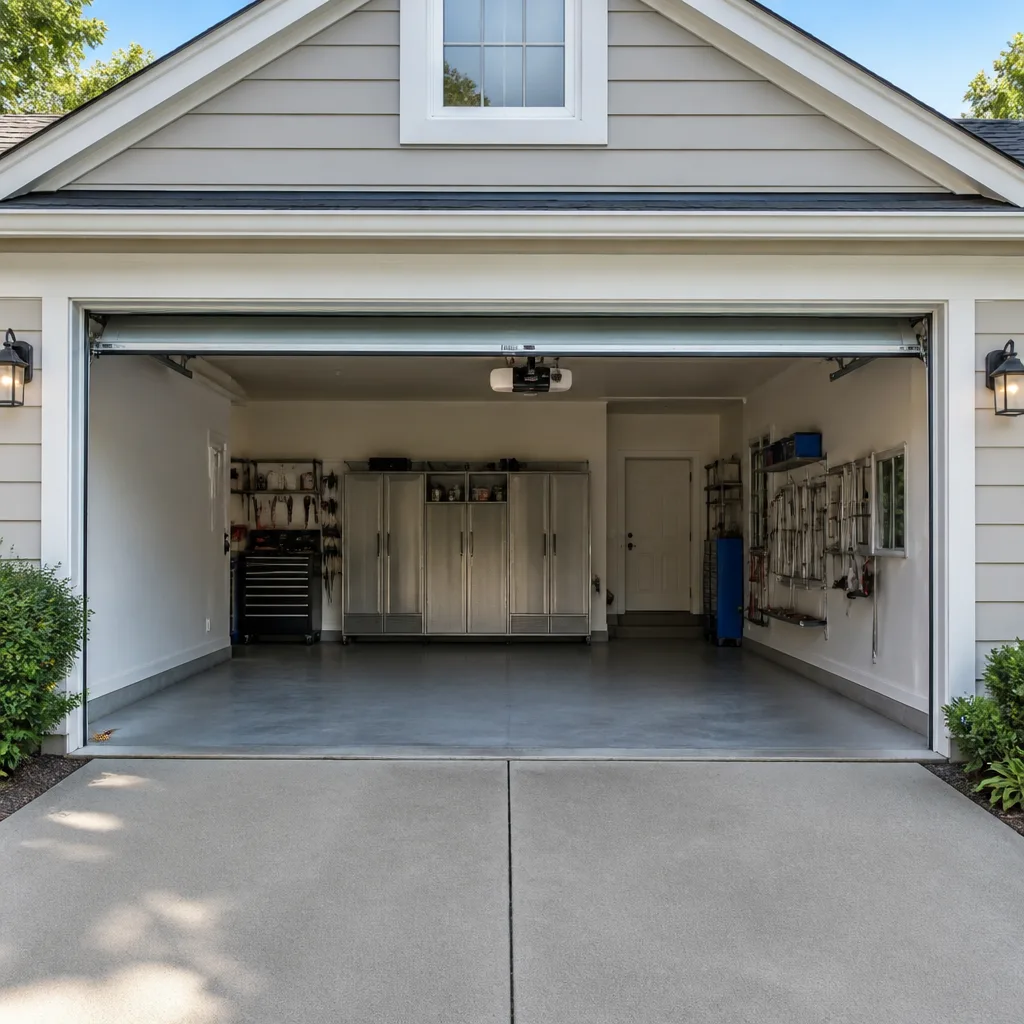
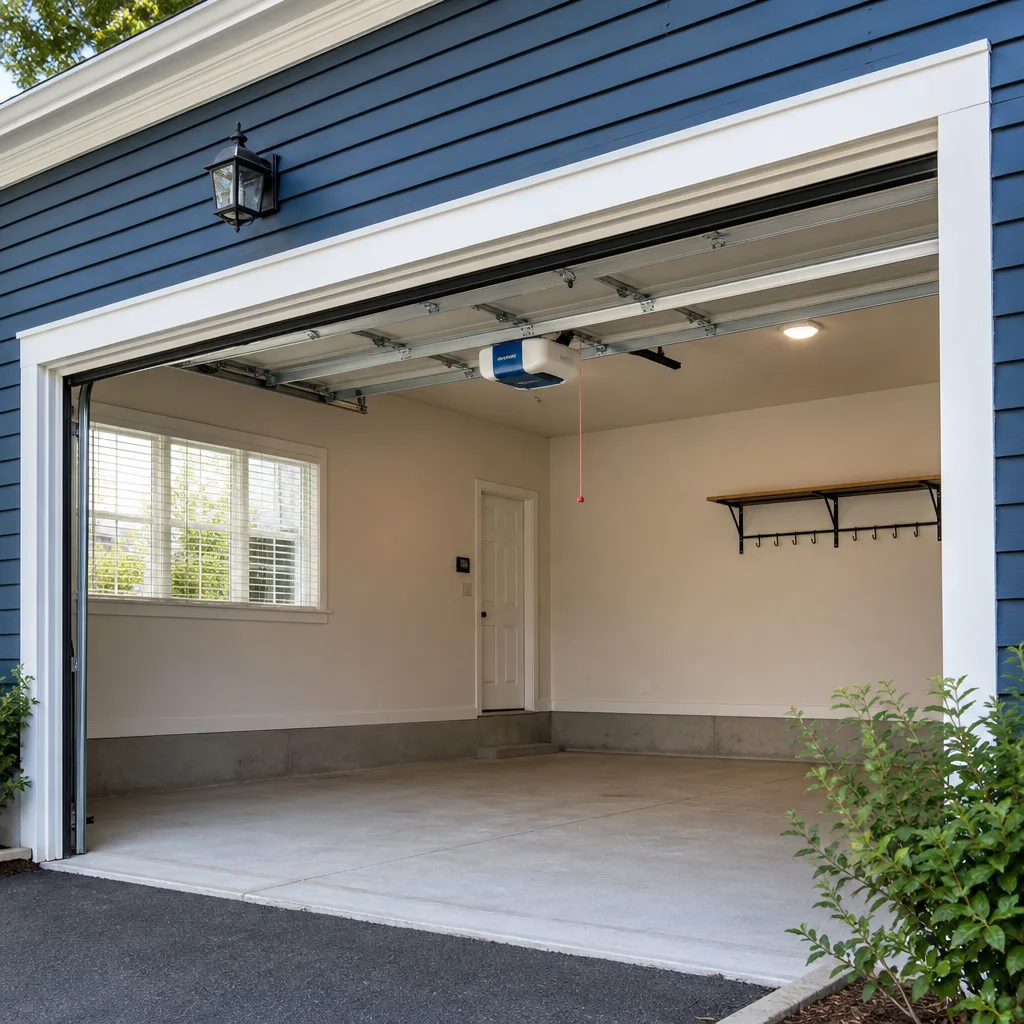
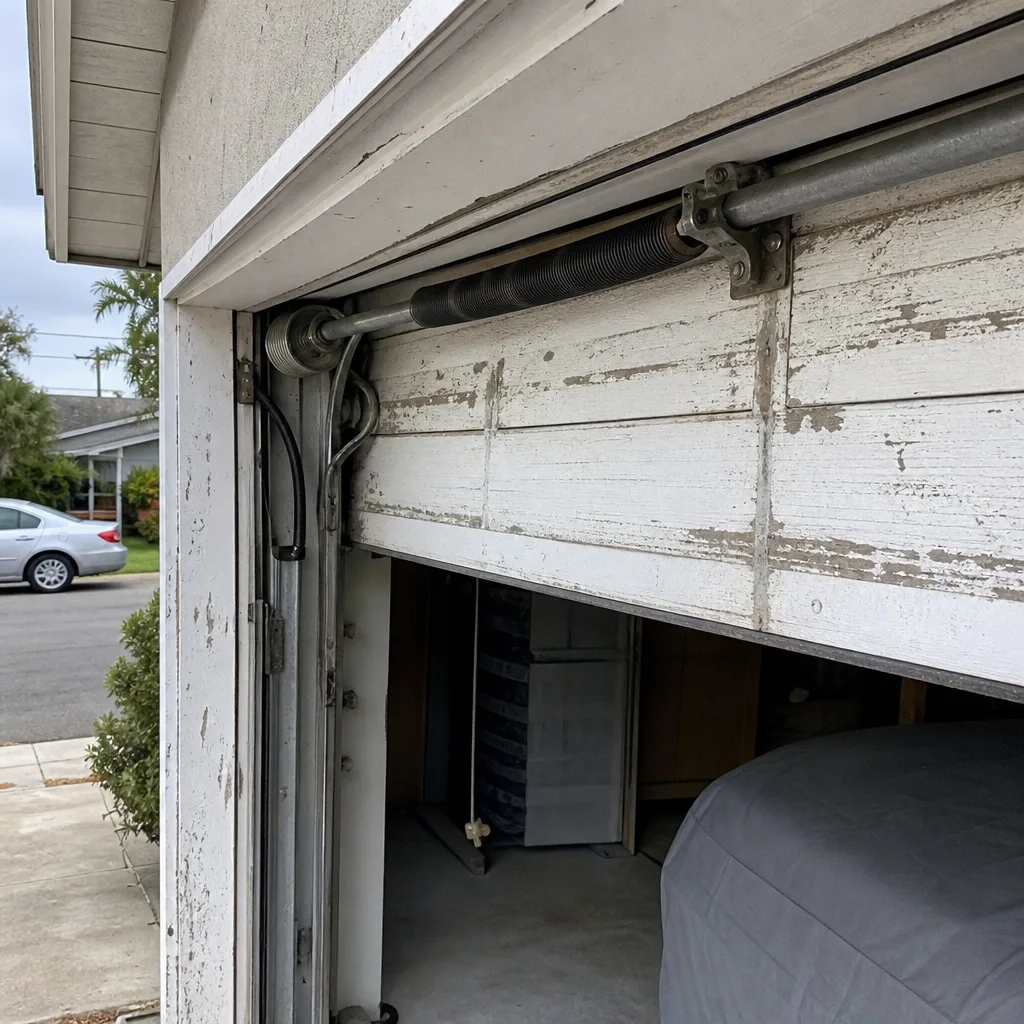 Before
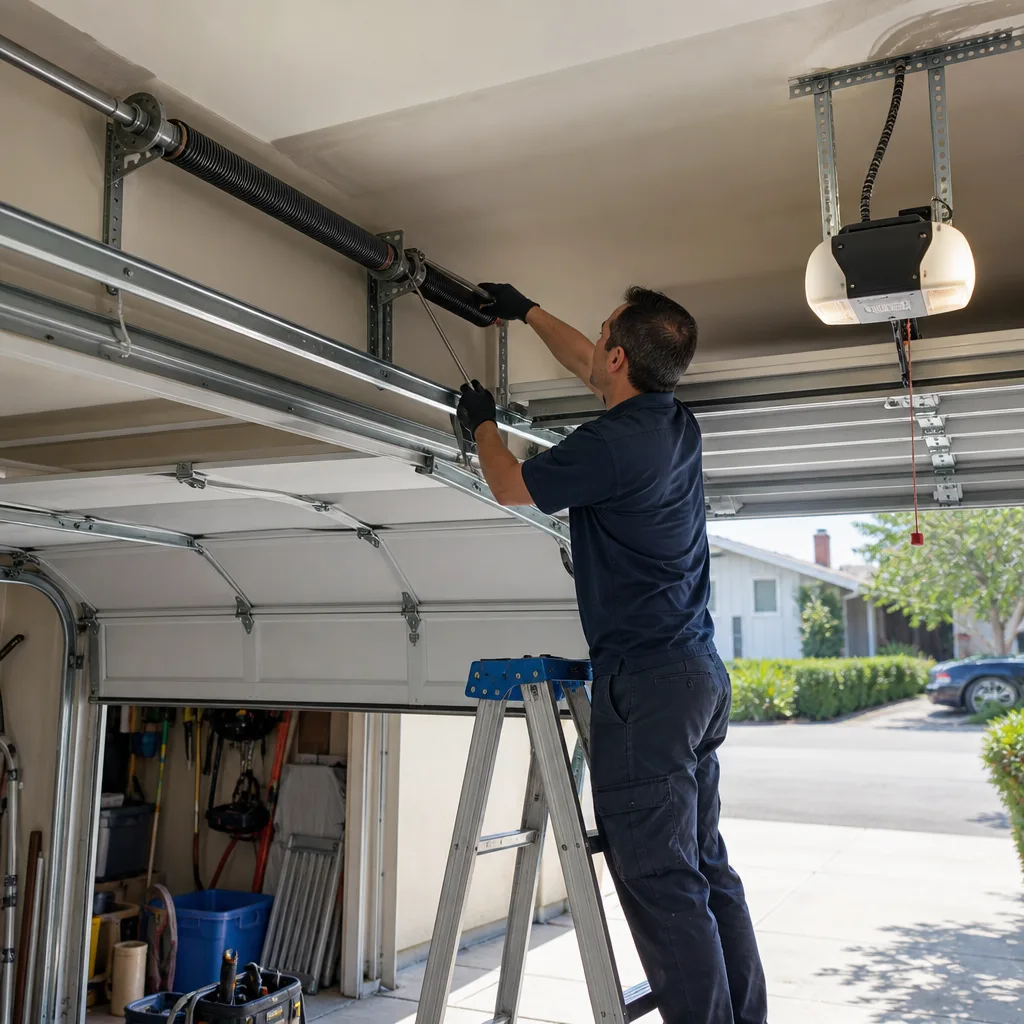 After
After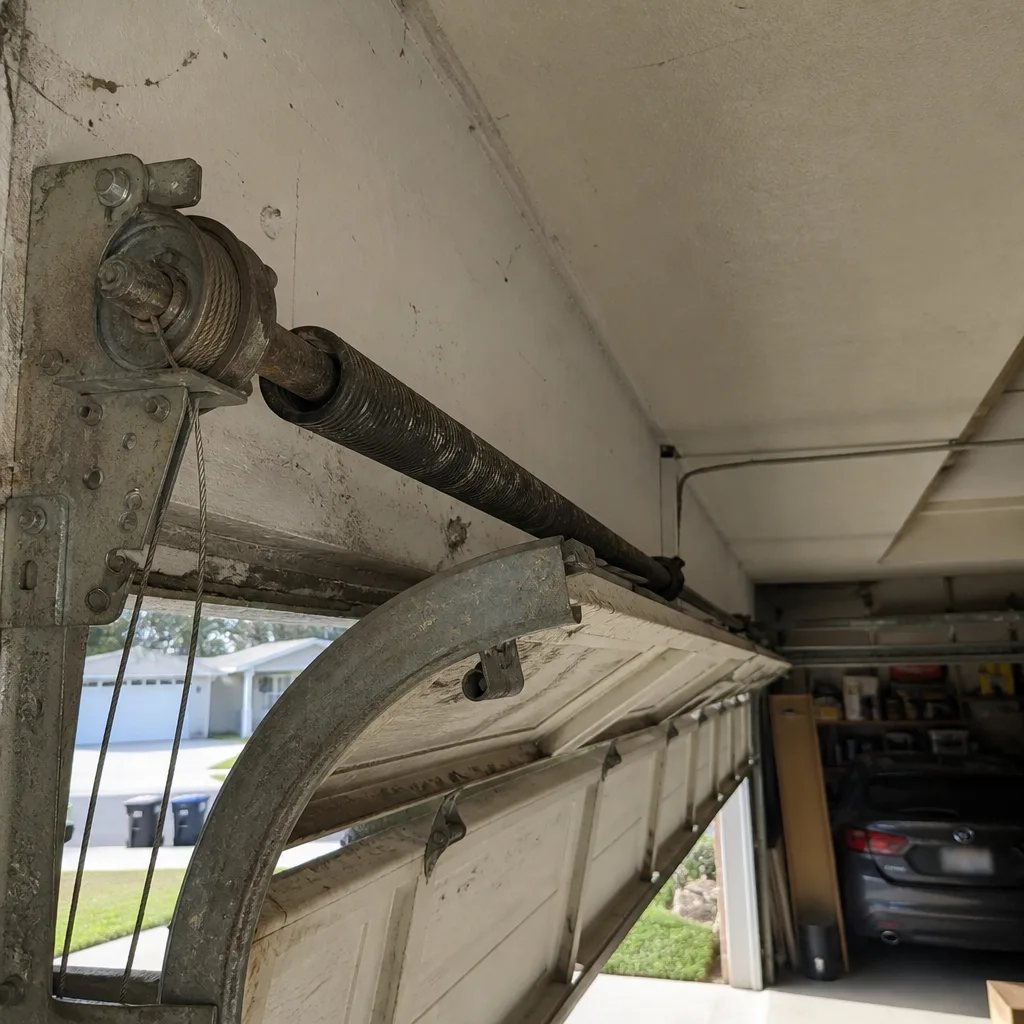 Before
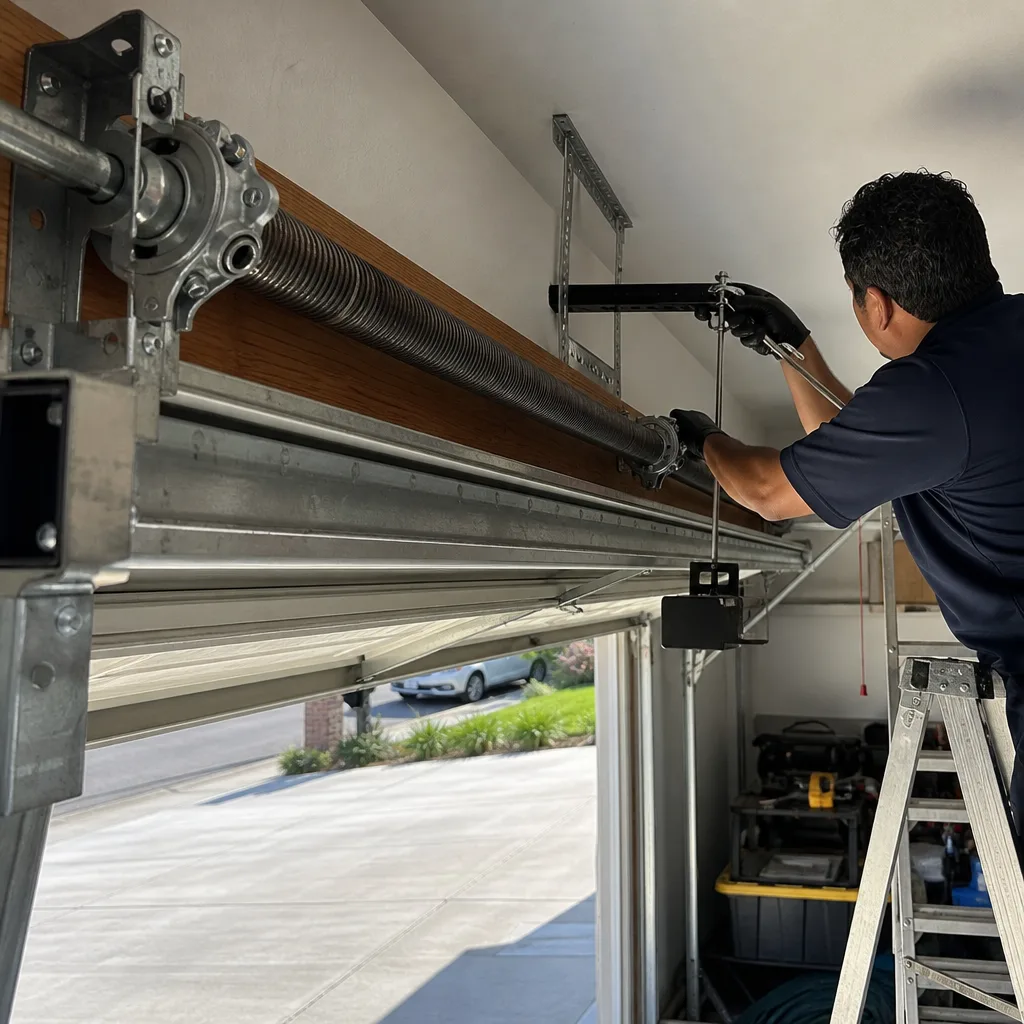 After
After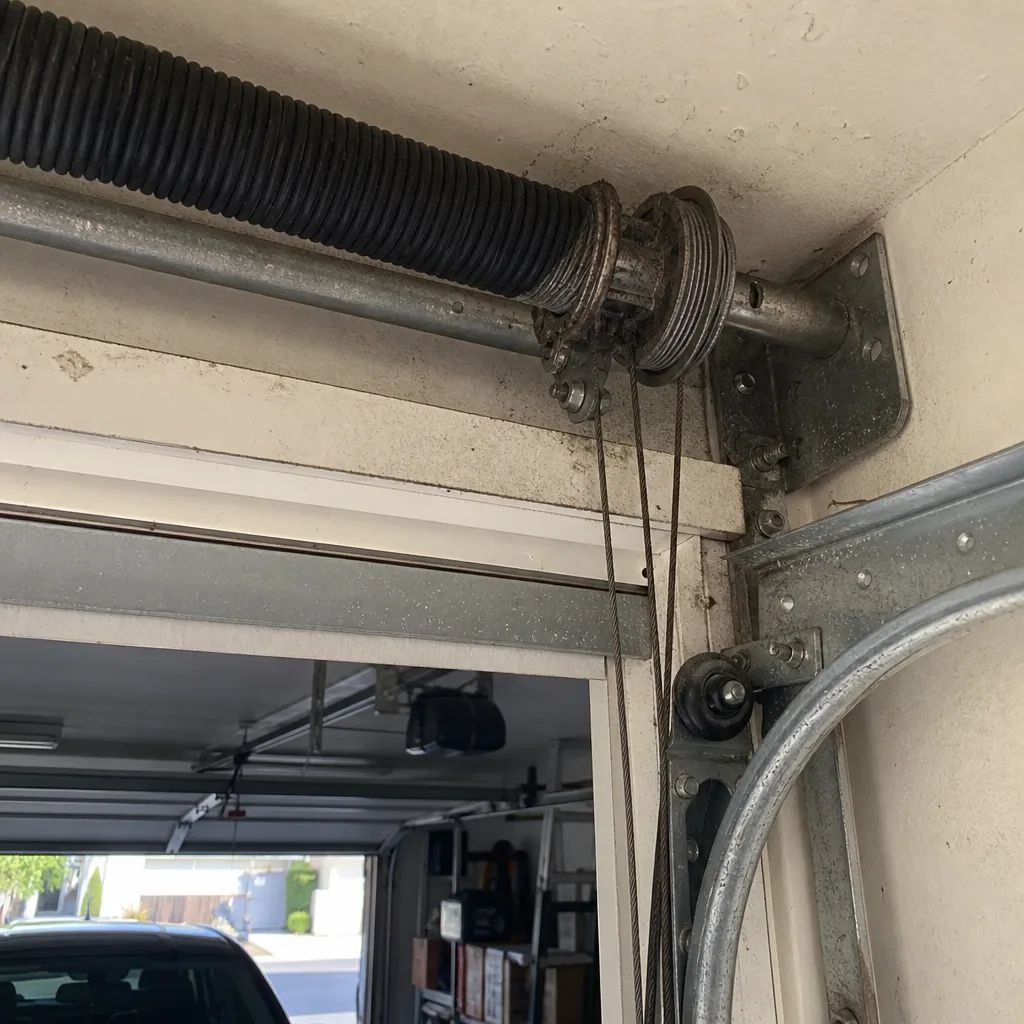 Before
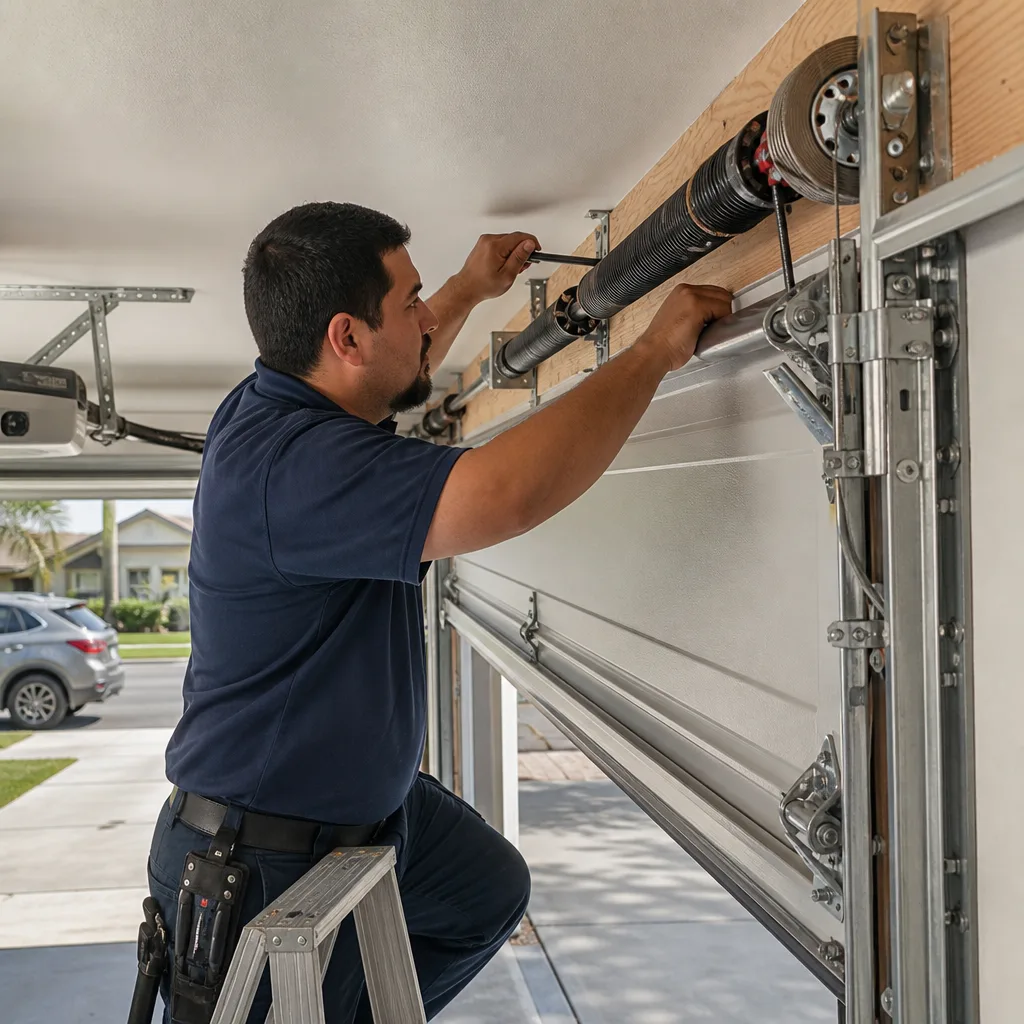 After
AfterThe Complete Guide to Garage Door in Huntington Beach
The garage door that lasted 20 years in Phoenix will start corroding at the hinges within 3 years one block from PCH, and most homeowners don’t find out until the bottom panel is bubbling. This guide is built for Huntington Beach specifically, because your zip code changes everything: which steel gauge actually survives, which opener motor burns out first in marine layer humidity, and why a door rated for inland California is a 7-year disposable item three blocks from the ocean. For more guides & resources on keeping your garage door running, visit our blog. By the end you’ll know what to buy, what to skip, and the one question to ask before you sign anything.
Quick Answer
The right garage door for Huntington Beach depends almost entirely on how close you live to the Pacific. Homes within roughly 2 miles of the coast need at least a 24-gauge steel door with a rust-resistant coating and upgraded hardware; homes 3+ miles inland can run standard mid-grade doors and expect a normal 15-20 year lifespan. Most HB homeowners overpay for either too little corrosion resistance near the ocean or too much door inland, and the fix usually costs less than $200 in hardware choices made at purchase.
Table of Contents
- Why Salt Air Changes Everything About Your Garage Door
- What Steel Gauge and Coating Actually Matter in HB
- The Marine Layer Problem Nobody Puts on the Spec Sheet
- Why Your 1968-1985 Track Home Has a Clearance Problem
- Big-Box Installer vs Local Tech: What the Difference Costs You
- What ‘Residential Grade’ Really Means (and What Survives Here)
- Springs, Cycles, and the Corrosion Math That Predicts Failure
- The One Question Every HB Homeowner Should Ask Before Signing
Why Salt Air Changes Everything About Your Garage Door
Salt air is not a marketing phrase. It’s a measurable environmental condition, and in Huntington Beach it operates on a gradient measured in blocks, not miles. The prevailing onshore wind carries fine salt aerosol from the surf zone inland. Our experience since 2004 tracks with what the corrosion data shows: homes within about five blocks of PCH see noticeably faster hardware degradation than homes near Edison High School or inland toward the 405. The salt particles are microscopic and airborne, so they settle into hinges, roller bearings, track brackets, and the coil faces of torsion springs, and then the fog does the rest.
What you’ll actually see first is not a rusted panel. It’s a white or chalky film on the metal track, a squeak that comes back two weeks after you lube the rollers, and hinges that start looking rough at the pin joints while the door itself still looks fine. The panel steel, especially if it’s painted with a polyester topcoat, can go five to seven years before you see blistering. The hardware underneath is degrading from month one.
This is why we tell Huntington Beach homeowners the same thing Otto Reinhardt has said since 2004: a door is 200 pounds riding on two springs. Respect it. The springs and cables are doing the work. The panel is just the face. If the hardware under the panels isn’t rated for coastal exposure, you’re not buying a 15-year door. You’re buying a 5-year hardware package with a pretty front. In neighborhoods like Sunset Beach, Huntington Harbour, and anywhere east of PCH below Warner, this is the first conversation we have with a homeowner before we talk about door styles.
One more coastal fact most guides skip: the salt exposure isn’t evenly distributed on the door itself. The bottom panels and the bottom row of hardware, especially the bottom brackets and the lift cables, catch more salt runoff and splash than the top sections. They’re also the parts where failure is dangerous, because a rusted bottom bracket can pull through the panel and send the door off balance. When we inspect a door within a mile of the coast, we look at the bottom hardware first. That’s where the clock is running fastest in Huntington Beach.
What Steel Gauge and Coating Actually Matter in HB
Steel gauge confuses homeowners because the numbers run backwards: lower gauge means thicker steel. A 27-gauge door is thinner than a 24-gauge door. Most big-box doors start at 27 or 26 gauge and call themselves “residential grade.” In Huntington Beach, within two miles of the ocean, a 27-gauge panel with a basic baked-enamel finish is the wrong tool for the environment. It dents more easily in the wind when you’re trying to close it against a gust off the water, and the thinner steel provides less substrate under the paint before corrosion reaches through.
Here’s the practical breakdown we give every HB homeowner. For homes within two miles of the Pacific, look for a minimum 24-gauge steel panel with a rust-inhibiting primer and a quality two-coat finish. Wayne Dalton and Clopay both make steel pan doors in this range that hold up measurably better in coastal conditions than the entry-level 27-gauge models from the same brands. The cost delta is often only $150 to $250 on a single door, and it’s the difference between a door that looks serviceable in year seven and one that’s already bubbling.
For homes three miles or more inland, near Meadowlark, Prestige, or inland Fountain Valley-adjacent neighborhoods, a 25 or 26-gauge door with a standard finish is reasonable. The salt concentration drops off significantly once you’re past the marine influence boundary. You don’t need to spend coastal money on an inland house. But there’s a catch: the inland temperature swings in Huntington Beach, especially in summer when it’s 85 in the afternoon and 60 at night, cause condensation cycles inside the garage. That’s a different problem from salt corrosion, but it argues for the same upgrade: a door with a proper back coat or insulation layer that prevents moisture from sitting against the inner panel skin.
If you want to see this in action, the Garage Door Installation in Huntington Beach page walks through what we spec for coastal versus inland homes, and it’s the same logic Otto uses when he quotes a job over the phone.
The Marine Layer Problem Nobody Puts on the Spec Sheet
Salt is the headline risk, but the marine layer is the quiet killer. Huntington Beach sits under a fog bank between late spring and mid-summer that raises the relative humidity inside your garage for hours at a time, even on days when the rest of Orange County is bone dry. That persistent moisture is why garage door openers in HB fail differently than they do in Westminster or Santa Ana, and why wood garage doors require a maintenance schedule here that inland owners will never understand.
The first victim is usually the torsion spring. Spring steel rusts, and a rusted spring is a broken spring waiting to happen. Springs are rated in cycles, typically 10,000 cycles for an entry-level spring and up to 30,000 for a high-cycle spring, but that rating assumes normal environmental conditions. In a humid, salt-laden garage, the same 10,000-cycle spring may fail at the equivalent of 6,000 or 7,000 cycles because the corrosion creates stress risers on the coil surface. This is why Otto tells HB homeowners: I count spring cycles the way you count tire miles, I will tell you what’s left on yours. The numbers on your spring don’t mean the same thing one block from the beach.
The second victim is the opener’s circuit board and logic controller. LiftMaster, Chamberlain, and Craftsman openers installed in humid coastal garages have a measurably shorter lifespan for their control boards than the same models installed in drier inland garages. The cause is condensation forming on the PCB during night-time temperature drops, then causing micro-corrosion on the solder joints. It’s not a brand problem; it’s an environment problem. The fix is cheap at install time: a garage with adequate ventilation, or an opener mounted with a small drip loop on the safety sensor wiring so moisture runs off the cable rather than following it into the board.
The third issue is the one we hear about too late: the bottom seal. In Huntington Beach neighborhoods with minimal front-yard drainage, especially in older tract areas where the driveway slopes toward the garage, the bottom seal gets soaked by rain splash and irrigation runoff, then dries out and shrinks in the sun. Once the seal cracks, you get water intrusion, and then the bottom panel’s interior side starts rusting where you can’t see it. We replace bottom seals on Huntington Beach doors at three times the rate we do inland.
Why Your 1968-1985 Track Home Has a Clearance Problem
A huge number of Huntington Beach houses were built between 1968 and 1985, and that era has a specific framing habit: the garage header sat low, the ceiling sloped inside the garage, and nobody planned for a modern opener with a rail and a motor that needs 12 to 15 inches of headroom above the open door. If you live in one of these houses and you’re shopping for a new door or opener, the conversation has to start with clearance, not with the catalog.
Modern residential openers, especially belt-drive and smart models from LiftMaster and Chamberlain, typically need a minimum of 8 to 10 inches of headroom above the fully opened door for the rail and motor, and more if you want a higher-lift track conversion. Many 1970s HB garages have 6 to 7 inches. That means a standard install is either impossible, or someone has to install the rail at an angle and the door never fully clears the opening.
The workaround, where the header height permits, is a low-headroom kit, which includes special top brackets, a different track profile, and a modified opener mount. It works, but not every door thickness works with every low-headroom kit. The other option, and it’s not cheap, is raising the header or converting to high-lift track, which in a single-car HB garage from the Nixon era often means rebuilding the front wall section above the opening. That’s a structural modification, not a door swap.
Here’s the step list we walk through on a site visit to an older Huntington Beach home, because jumping straight to a quote without these measurements is how doors end up banging against the opener rail:
- Measure the headroom: from the top of the opening to the ceiling or the first obstruction above the open door path.
- Measure the backroom: from the opening to the back wall, because an opener rail needs at least 8 to 10 feet of horizontal run depending on door height.
- Check the door balance: disconnect the opener and lift the door by hand. A door that’s heavy or drops means spring trouble, and you don’t put a new opener on a door with a bad spring.
- Inspect the side clearances: older HB garages sometimes have exactly 3.5 inches of side clearance, which limits which track configurations and drums will fit.
Do that before you spend money, or before you get charmed by a door photo. The door has to physically work in the space you have. This is also why we recommend starting with the Garage Door Repair in Huntington Beach page if your existing door is older than 2000: sometimes the smarter move is making the current door safe and balanced rather than forcing a new system into a frame that wasn’t built for it.
Big-Box Installer vs Local Tech: What the Difference Costs You
The big-box installers and the national chains sell doors the way someone three states away would sell them: by size, price point, and warranty language. The local tech who has been in Huntington Beach since 2004 knows which neighborhoods flood the bottom seal fastest, which streets near the wetlands see more fog, and which 1970s tract models have the tight header problem we just covered. Neither fact appears on a big-box quote, because the person writing it has never stood in your driveway.
The concrete difference usually shows up in three places. First, the door spec. A call-center installer will often quote the cheapest 27-gauge basement-grade door that matches your dimensions. Otto Reinhardt quotes the door that survives your street’s conditions. The upgrade cost is modest; the replacement cost down the road is not. Second is the install date and the show-up. A national outfit routes the job through a schedule. Otto shows up, because the name on the van is the name on the invoice and the name on the license. Third, and this is the one that matters six months later: when something goes wrong, who answers?
If the door a big-box subcontractor installed starts binding or the opener throws a code, the homeowner calls an 800 number, sits in a queue, and waits for a tech who probably doesn’t know the job history. If a door from Otto’s Garage Door has a problem inside ninety days, one call to (714) 650-8648 brings Otto back. No queue. No third-party dispatcher. The 90-Day Done Right Promise is written on the invoice because Otto intends to honor it himself, not to route you through a claims department.
None of this means a national installer is always wrong. It means the question isn’t “which door” but “who shows up when something goes wrong.” In a climate like Huntington Beach, something always goes wrong eventually, whether it’s a spring, a sensor, or a seal. Plan for that eventuality at the purchase, not at the failure.
What ‘Residential Grade’ Really Means (and What Survives Here)
“Residential grade” on a spec sheet is a category, not a promise. It means the door meets a price target for single-family use and is rated for a certain number of daily cycles, usually two to four. It does not mean the hardware and panel coating are rated for a coastal salt environment. Two doors can both say “residential grade” on the literature, and one will be blistering at year six while the other is still opening quietly at year twelve, purely because of the substrate and coating choices underneath the paint.
Here’s the hierarchy that matters in Huntington Beach, from the least to the most coastal-capable:
- 27-gauge, single-coat enamel, standard hardware: the bottom of the residential barrel. Fine for inland California, a five-to-seven-year door within two miles of the ocean.
- 26-gauge, two-coat finish, zinc-plated hardware: a solid mid-grade door. Survives inland HB perfectly, and makes it eight to eleven years near the coast with hardware touch-ups.
- 24-gauge, two-coat or powder-coat finish, galvanized hardware: the coastal workhorse. This is what we spec for most Huntington Beach homes within the salt zone, and it typically runs 12 to 16 years with basic maintenance.
- Aluminum frame with composite or glass panels, stainless hardware: the rust-proof option for the first few blocks from PCH, especially in Huntington Harbour or Sunset Beach where the salt load is highest. Costs more upfront, but it’s the one option where corrosion simply isn’t the failure mode.
Among the mid-grade brands that punch above their price in this climate, we consistently see good results from Raynor, which does a nicer job than most on hinge metallurgy, and from Wayne Dalton steel pan doors when ordered with the upgraded galvanized hardware package. The brand matters less than the hardware grade and the coating spec, but if you’re comparing quotes in Huntington Beach, ask specifically what the hinge and roller material is. If the answer is a shrug, walk. The hinge is where the weakest doors fail first in the salt zone.
One more term you’ll see: “polyurethane insulation” versus “polystyrene.” The difference matters in HB because of the condensation cycles we described earlier. A polystyrene backer is a foam block; it insulates but leaves seams where moist air can condense against the steel inner panel. A polyurethane backer bonds to the steel, eliminates that seam condensation, and adds stiffness to the panel. For a detached garage or a garage under a bedroom, polyurethane is worth the premium in this climate.
Springs, Cycles, and the Corrosion Math That Predicts Failure
Torsion springs are the most dangerous and most misunderstood part of any garage door system. They’re wound under tension, and when they break, they release that tension violently. This is the one component where we will never give a homeowner a step-by-step DIY instruction, not here and not on a phone call. A door is 200 pounds riding on two springs. Respect it. This is a safety caveat that isn’t a disclaimer; it’s the truth from someone who has seen what a snapped spring does to a metal track.
Here’s what a homeowner can and should understand instead: springs are rated in cycles, and a cycle is one full open-and-close. Standard springs from the big-box shelf are 10,000 cycles. High-cycle springs are 20,000 to 30,000. In Huntington Beach’s salt-and-fog environment, those numbers degrade. The same corrosion that dulls the coil surface also creates the stress concentrations that shorten fatigue life. A standard 10,000-cycle spring that would give an inland homeowner about seven to nine years of normal use can fail in five or six years near the coast. The mechanical failure clock starts the moment the first rust pit appears on the coil.
The practical takeaway for HB homeowners is a simple one: if your existing springs are more than seven years old, get them inspected. If you’re already paying for a spring replacement, spend the incremental cost for high-cycle springs, because in this climate they’re not a luxury, they’re the math. Otto says it this way, and it’s the truest thing we know about springs: I count spring cycles the way you count tire miles; I will tell you what’s left on yours.
The second component that follows the same corrosion math is the lift cable. Cables are galvanized from the factory, but in a salt environment, the galvanization is sacrificial and eventually fails. The first sign is usually a few broken strands near the bottom bracket, which shows up as a fuzzy wire look. A cable with broken strands is an accident waiting to happen. Do not operate the door, and do not try to replace a cable under tension yourself. That’s a call to a professional, and it’s exactly the kind of job where a live person answering the phone at 9 p.m. matters, because a door with a broken cable is a door that can come down on your car or worse.
The One Question Every HB Homeowner Should Ask Before Signing
If you forget everything else in this guide, remember the one question that determines whether you’ll be happy with your garage door purchase six months, two years, and ten years from now. It is not “What’s the R-value?” and it is not “How much is the door?” The question is this: When something goes wrong, who shows up, and what’s their drive time from my street?
Every garage door in Huntington Beach will eventually need something: a spring, a sensor, a seal, a panel adjustment. The question is not whether. The question is who answers the phone when it does. That question tells you more about the real cost of the door than the price on the invoice. A door installed by a company whose tech drives from Irvine might be fine in year one, but what happens in July when the fog has been sitting on your hardware for six weeks and a spring lets go at 8 p.m.? Who picks up?
A locally owned, owner-operated shop answers that question differently than a national brand because the structure is different. There is no call center. There is no dispatch queue. There’s a person whose own name is on the license and on the van. In our case, that’s Otto Reinhardt. He has been answering the phone in Huntington Beach since 2004, and the published address and license number are there for any homeowner to verify before the truck even arrives. The question of “who shows up” has one answer: Otto. Not a franchise placeholder. The same person who quoted the job and wrote the 90-Day Done Right Promise on the invoice.
Ask that question of every company that quotes your door. If the answer is vague, the price is irrelevant. And if you’d like to hear a clear answer, start at the Otto’s Garage Door home page or call (714) 650-8648 and ask Otto yourself.
Common Mistakes to Avoid
- Buying a door based on the panel photo instead of the steel gauge. In Huntington Beach, the finish is the first thing to fail, and a 27-gauge door with a beautiful wood-grain print is still a 27-gauge door. Spec the gauge and coating first; pick the color second.
- Ignoring the bottom seal until water is already in the garage. The bottom seal is the cheapest early-warning system on the door, and in HB’s coastal runs it dries out and cracks on a predictable schedule. Replace it before the rainy season, not after the puddle.
- Putting a new opener on a door with a worn spring. If the opener is straining, the problem is almost never the opener. Putting a new motor on a door with a tired spring just moves the failure from the opener to the door itself.
- Skipping the headroom measurement on a 1970s tract home. We’ve already covered the clearance issue; skipping the measurement is how doors end up installed with the rail at an angle and a motor that chips the top panel on every cycle.
- Treating a big-box quote as an apples-to-apples comparison. The door model might match, but the hardware grade, the coating spec, and the follow-up service almost never do. Compare the hardware line items, not just the bottom number.
- Deferring spring inspection because the door “still works.” A spring nearing the end of its cycle life doesn’t warn you with a calendar alert. It breaks on a Tuesday at 9 p.m. when your vehicle is inside. If a local pro offers to check cycle count during a service visit, take the information.
- Assuming senior and veteran discounts require a coupon conversation. Otto’s Garage Door offers a permanent 10% discount for seniors and veterans, and it’s automatic when you call and mention it. No one should leave that money on the table because they were too polite to ask.
When to Call a Professional
Call a garage door professional, immediately and without trying to fix it yourself, in these Huntington Beach situations. If the door is off-balance, meaning it drops or rises on one side while moving. If a torsion spring has snapped, which sounds like a gunshot in the garage and leaves the door dead weight. If a lift cable has frayed or broken, because the door is now held by one cable or none at all. If the door has come off its track, or the bottom panel is corroded to the point where a bottom bracket could pull through. If the opener is making a grinding noise with no movement, the gear is stripped and the motor is done. None of these are safe DIY projects. High-tension springs and cables under load can cause serious injury, and the corrective action belongs in the hands of a trained professional with the right winding bars and the right experience. Also check Garage Door Permits, Codes & Inspections in CA: What You Need to Know before any major work. Otto’s Garage Door offers free estimates in Huntington Beach, and a live person answers the phone 24/7. Call (714) 650-8648 and describe what you’re hearing; we’ll tell you over the phone whether it’s urgent, and Otto will hold the quoted price when he gets there.
Frequently Asked Questions
A garage door replacement in Huntington Beach typically runs $1,100 to $2,800 for a standard single door and $2,500 to $5,000 for a double door, depending on gauge, insulation, and hardware grade. See our Garage Door Cost Breakdown: The Huntington Beach Homeowner’s Reference for 2026 for detailed pricing. Coastal homes within two miles of the ocean should budget toward the middle-to-upper end of those ranges for galvanized hardware and a two-coat finish. The price is quoted and agreed before any work starts, and Otto’s written quote holds at the door. Call (714) 650-8648 for an exact quote; estimates are free.
Sustained salt exposure in Huntington Beach is meaningful within roughly two miles of the Pacific, with the worst conditions in the first five blocks from PCH. Homes in Sunset Beach, Huntington Harbour, and the numbered streets below PCH should spec 24-gauge steel or an aluminum frame. Inland homes three miles and further can run standard mid-grade doors without the coastal premium.
Yes, spring replacement is a same-day repair in Huntington Beach when a local tech has the springs on the truck, and a live person answers the phone for exactly this situation. High-cycle springs are the right upgrade in a salt-air garage, and a professional should always handle the replacement because the spring is under lethal tension. Call (714) 650-8648 and Otto will quote the job on the call.
Marine layer humidity and salt aerosol cause condensation and micro-corrosion on the circuit boards and solder joints inside garage door openers, shortening control-board lifespan compared to inland Orange County homes. The problem is environmental, not brand-specific, and it affects LiftMaster, Chamberlain, and Craftsman openers alike. Good garage ventilation and a drip loop on the sensor wiring reduce the failure rate.
Not necessarily. An off-balance door is usually a spring or cable problem, not a panel problem, and balancing the door by replacing the spring costs a fraction of a new door. The important thing is to stop using the door immediately, because a door that’s out of balance is a door that can snap its own hardware or drop under its own weight. A pro can tell you in five minutes whether the springs are the issue or whether the track and panels are past saving.
Bring the written estimate to Otto’s Garage Door and Otto will give you a free second opinion, including a line-by-line read on whether the hardware grade matches the price and whether the door spec fits your home’s coastal exposure. There’s no trip charge inside the county, and the second opinion is free whether you choose Otto or not. Call (714) 650-8648 and bring the paperwork.
The Bottom Line
Huntington Beach is not a generic garage door market, and the salt gradient, fog cycle, and aging tract-home stock all conspire against doors that were spec’d as if you lived in Riverside. The solutions are concrete: 24-gauge steel or better within two miles of the coast, galvanized hardware as a minimum, high-cycle springs in salt air, and a bottom seal and ventilation plan that acknowledges the marine layer. Most importantly, buy from someone whose answer to “who shows up later” is a name, not a queue. Ask anyone on your street; we have been in this county since 2004, and Otto is a palindrome: reads the same from either end, same as the door. Start with the Garage Door Opener in Huntington Beach page if your opener is the problem, or call (714) 650-8648 for a free estimate and a straight answer.
Written by Otto Reinhardt, Owner at Otto’s Garage Door, serving Huntington Beach since 2004.